
Upgrading the exhaust is almost always the first modification a rider makes to a new motorcycle. Factory pipes are heavy, restrictive, and sound like sewing machines thanks to massive catalytic converters and Euro 5 emissions regulations.
But when you start looking for an aftermarket system, you are immediately hit with terrible garage logic and forum myths. The biggest offender? "Don't put too big of an exhaust on it, engines need backpressure to make low-end torque."
That statement is 100% false. Engines do not want backpressure. Backpressure is the enemy of horsepower. Here is the actual science behind making your bike breathe properly.
The Myth of Backpressure vs. Gas Velocity
An internal combustion engine is essentially a giant air pump. Air and fuel go in, an explosion happens, and exhaust gases must be pushed out. "Backpressure" is physical resistance pushing back against the engine, making it harder for the piston to push those burnt gases out of the cylinder.
Why on earth would an engine want resistance? It doesn't.
What people are actually confusing backpressure with is Exhaust Gas Velocity. When exhaust gases leave the engine, they travel down the pipe in pulses. If the diameter of the exhaust pipe is sized correctly, these gases move extremely fast. This high-speed pulse creates a vacuum directly behind it.
When the next exhaust valve opens, that vacuum physically sucks the next pulse of burnt gas out of the cylinder. This effect is called Exhaust Scavenging.
- Pipes Too Big: If you install an exhaust pipe with a massive diameter, the exhaust gases slow down drastically (like water flowing from a small hose into a giant barrel). You lose velocity, you lose the vacuum scavenging effect, and you lose your low-end torque.
- Pipes Sized Correctly: A properly stepped exhaust system maintains high gas velocity, maximizing scavenging and violently pulling exhaust out of the engine so a fresh, dense charge of air and fuel can rush in.
Slip-On vs. Full System
You need to decide what your actual goal is before you spend your money.
The Slip-On Muffler This replaces only the rear silencer canister of your exhaust. You keep the factory headers and the heavy catalytic converter.
- The Reality: A slip-on will dramatically improve the sound of your bike and drop a few pounds of weight. However, because the restrictive factory headers and cat remain in place, you will not gain any noticeable horsepower. It is a cosmetic and auditory upgrade only.
The Full Exhaust System This replaces everything from the engine block backward. You get wider, precisely bent headers, mid-pipes, and a free-flowing muffler.
- The Reality: This is a true performance modification. By removing the catalytic converter and optimizing the pipe diameter, you drop massive amounts of weight and drastically increase exhaust velocity. This is how you unlock top-end horsepower.
Materials Matter: Stainless, Carbon, or Titanium?
Exhausts are subjected to brutal heat cycles and violent vibrations. Your choice of material dictates longevity, weight, and heat dissipation.
- Stainless Steel (304 Grade): The industry standard. It is heavy, but it is incredibly durable, resists rust, and is cost-effective. It will turn a beautiful golden-brown color after a few heat cycles.
- Carbon Fiber: Extremely lightweight and stays cool to the touch (great for mufflers positioned near your boots or passenger pegs). However, cheap carbon fiber will yellow, crack, and blow out under the intense heat and pressure of large-displacement twin-cylinder engines.
- Titanium: The holy grail of exhaust materials. It is nearly as strong as steel but weighs almost 50% less. It sheds heat instantly, reducing the overall running temperature of your bike. Best of all, as titanium heats up, it chemically reacts with the air to turn brilliant shades of blue, purple, and gold.
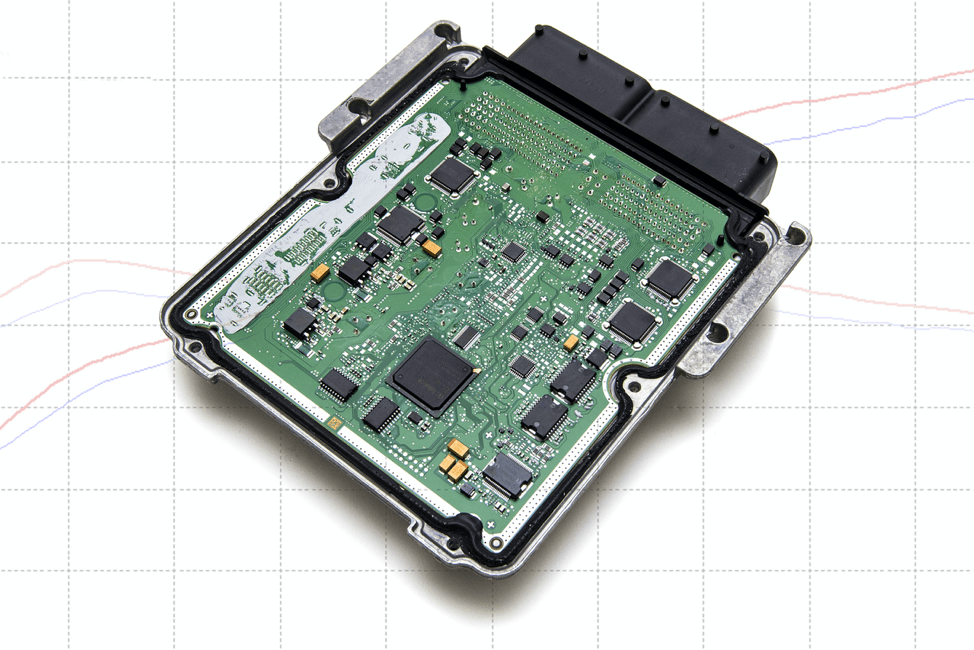
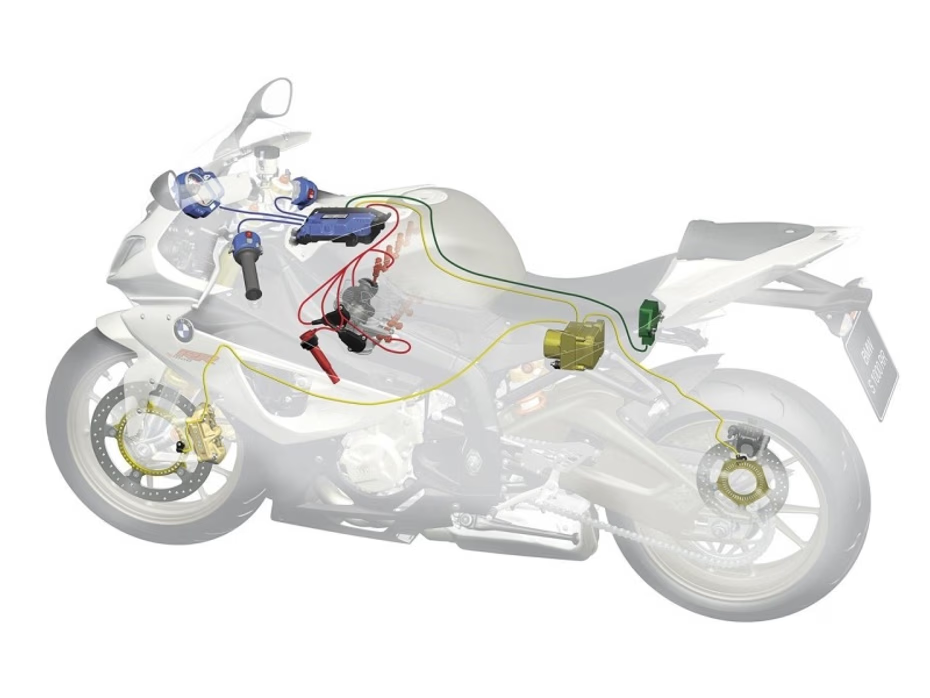
Mechanic's Warning: If you install a Full System, you are drastically changing the airflow of the engine. The bike will run dangerously lean. You must remap or flash your ECU to adjust the fueling. Installing a full system without a tune will make your bike sound faster, but it will actually run hotter and slower.
The Verdict
Do not buy an exhaust just because it looks like a massive megaphone. Look for tuned, stepped-header systems from reputable engineering brands that prioritize gas velocity over sheer size.
Drop the weight, maximize your scavenging, get your ECU tuned, and listen to the engine scream the way it was designed to.